
Basic utilities and services significantly improve quality of life and drive social and economic growth. Chapter 2 of the Transport and Infrastructure State Environmental Planning Policy streamlines approval processes for essential infrastructure, helping communities access services faster.
Small-scale renewable energy systems
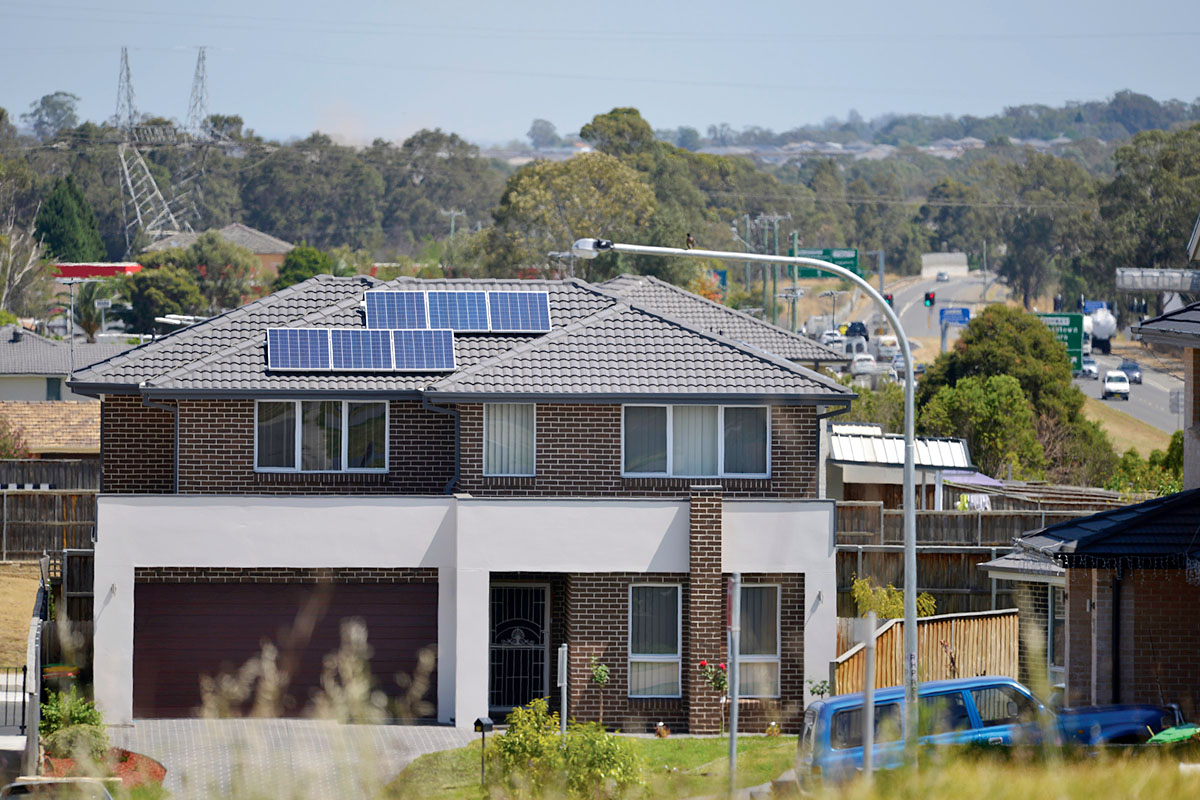
Small-scale renewable energy systems generate power or heat from renewable sources for individual properties or small facilities. This includes solar panels, solar hot water, batteries, and small wind turbines.
Small-scale renewable energy systems have become more affordable, making them increasingly popular. Battery storage technology is also improving, helping solar energy become more practical for everyday use.
Chapter 2 Division 4 of the Policy governs small-scale renewable energy systems, including:
- Solar energy systems: Solar panels (photovoltaic systems), hot water systems and air heating systems.
- Small to medium scale scale battery storage.
- Wind turbines.
If you are unable to meet the Policy requirements, your local council may be able to advise whether planning approval can instead be sought under their local environmental plan.
For information about large-scale renewable energy projects, visit our renewable energy page.
Telecommunications
Telecommunications facilities include mobile phone towers, broadband infrastructure, and other equipment that enables phone and internet connectivity.
Modern, reliable telecommunications are essential to how we live and work. The Policy outlines clear requirements to support efficient rollout of telecommunications infrastructure while managing impacts on communities.
The Policy establishes requirements for telecommunications facilities, including:
- Approval pathways.
- Development standards.
- Assessment considerations.
Fuel pipeline protection
Fuel pipelines carry essential materials like natural gas and fuel across NSW. Planning controls protect these pipelines and the areas around them from incompatible development.
Protecting fuel pipelines and surrounding areas is critical for public safety. The Policy includes risk management measures integrated into the planning process to prevent unsafe development near pipelines.
The Guideline for planning proposals near high-pressure dangerous goods pipelines provides clear requirements for identifying and managing safety risks when proposing land use changes near pipelines.
Additional safeguards have been introduced to strengthen public safety, including:
- limits on population density for tourist accommodation in the Mount Annan Botanic Garden
- requirements for proponents undertaking development without consent near pipelines to consult with the relevant public authority.
The Practice Note: Development near high pressure pipelines (PDF, 1.4 MB) advises councils and developers of the mandatory notification and assessment requirements for development near pipelines listed under section 2.77 of the Policy. It also advises on the automatic notification and local planning direction for those pipelines.
Resources and support
- NSW Telecommunications Facilities Guideline, Including Broadband (PDF, 1 MB)
- Guideline for planning proposals near high-pressure dangerous goods pipelines
- NSW Planning Portal – Changes to protect fuel pipelines
- Planning reforms delivering infrastructure faster – summary of changes (PDF, 386 KB)
- Practice Note: Development near high pressure pipelines (PDF, 1.4 MB)
More information
For further information, email the policy team at tisepp@dpie.nsw.gov.au